The Strategic Value of Nagitta in Modern Design
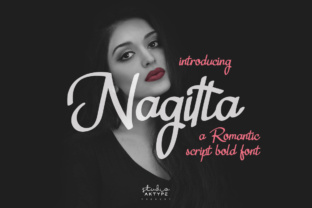
For professionals seeking to elevate their visual communication, Nagitta offers a unique blend of elegance and emotional resonance. This script font, inspired by a love story, carries a romantic essence that can enhance the aesthetic appeal of any design project. Its flowing letters and refined structure make it ideal for applications requiring a handwritten feel, from branding materials to editorial layouts.
Understanding the strategic potential of Nagitta involves more than just appreciating its beauty. It requires recognizing how typography choices impact perception, engagement, and overall effectiveness. When used intentionally, Nagitta can reinforce brand identity, convey authenticity, and create a lasting impression on the target audience.
Why Nagitta Matters in Design Strategy
In a world where visual consistency is key, selecting the right typeface is a critical decision. Nagitta stands out as a versatile option that balances creativity with professionalism. Its romantic undertones can evoke feelings of warmth and intimacy, making it particularly effective for brands targeting emotionally connected audiences.
Designers and marketers who incorporate Nagitta into their work must consider how it aligns with broader goals. For instance, a wedding planner might use Nagitta to craft invitations that reflect the personal and sentimental nature of the event. Similarly, a boutique fashion brand could use it in packaging or social media posts to emphasize craftsmanship and individuality.
Strategic use of Nagitta also involves understanding its limitations. While it excels in certain contexts, it may not be suitable for all applications. Overuse or improper pairing can dilute its impact, leading to a lack of clarity or professionalism. Therefore, careful planning is essential to ensure that Nagitta enhances rather than hinders the intended message.
When to Use Nagitta: Practical Scenarios
Nagitta is most effective when the goal is to add a personal touch or convey a specific mood. It works well in projects that require a humanized approach, such as:
- Branding materials for creative industries (e.g., art, design, or writing)
- Marketing campaigns focused on storytelling or emotional connection
- Editorial content, including newsletters, blogs, or e-books
- Event invitations, especially for weddings, galas, or private gatherings
Each of these scenarios benefits from Nagitta’s ability to convey authenticity and sophistication. However, it is important to assess whether the tone and purpose of the project align with the font’s characteristics. A corporate report, for example, may not benefit from Nagitta’s stylized appearance, as it could undermine the perceived seriousness of the content.
How to Approach Nagitta: Key Considerations
Before integrating Nagitta into a design, it is crucial to evaluate several factors. First, consider the target audience. Does the font resonate with their preferences and expectations? Second, examine the context in which it will be used. Will it complement other design elements, or will it stand out in an unintended way?
Another important consideration is legibility. While Nagitta is visually appealing, it may not be the best choice for large blocks of text. It works best in short phrases, headings, or decorative elements where its artistic qualities can shine without compromising readability.
Additionally, designers should test Nagitta across different mediums. Digital screens, print materials, and mobile devices may render the font differently, affecting its overall impact. Ensuring consistency across platforms is essential for maintaining a cohesive brand image.
Planning Tips for Effective Nagitta Use
To maximize the value of Nagitta, start by defining clear objectives. Ask: What message do I want to convey? How does Nagitta support that message? Answering these questions helps ensure that the font serves a purpose beyond aesthetics.
Next, experiment with different sizes and weights. Nagitta may look striking in a large heading but could become difficult to read in smaller text. Adjusting spacing and line height can also improve its legibility and visual harmony.
Finally, pair Nagitta with complementary fonts. A clean, sans-serif typeface can balance its ornate style, creating a contrast that enhances readability without sacrificing character. This approach allows for greater flexibility while maintaining a professional appearance.
Risks of Using Nagitta Without Clear Intent
Without a strategic approach, Nagitta can lead to ineffective design choices. Overuse, for example, can make a brand appear unprofessional or inconsistent. Similarly, using it in inappropriate contexts—such as financial reports or technical documents—can confuse the audience and weaken the message.
Another risk is poor typographic hierarchy. If Nagitta is used indiscriminately throughout a design, it can overwhelm the viewer and obscure the primary information. This highlights the importance of thoughtful placement and intentional use.
Lastly, failing to consider cultural or contextual nuances can result in misinterpretation. In some cases, the romantic nature of Nagitta may not align with the brand’s identity or the audience’s expectations. Careful evaluation is necessary to avoid these pitfalls.
Intentional Use of Nagitta: A Strategic Advantage
When used with intention, Nagitta can become a powerful tool for differentiation and impact. It allows designers to express creativity while maintaining a level of sophistication that resonates with modern audiences. This balance is particularly valuable in competitive markets where standing out is essential.
Moreover, Nagitta supports long-term brand development by reinforcing a consistent visual identity. By incorporating it into key touchpoints—such as logos, websites, or social media—the brand can cultivate a recognizable and memorable presence.
Ultimately, the success of Nagitta depends on how well it aligns with the broader strategy. Whether used for a single project or as part of an ongoing brand effort, its value lies in its ability to enhance communication and connect with the audience on a deeper level.
Conclusion: Making Nagitta Work for You
Nagitta is more than just a beautiful font—it is a strategic asset that, when used thoughtfully, can elevate design and communication efforts. Its romantic and elegant style makes it ideal for projects that require a personal or emotional touch, but its effectiveness hinges on careful planning and execution.
By understanding when and how to use Nagitta, professionals can harness its strengths while avoiding common mistakes. Whether you are a designer, marketer, or business owner, incorporating Nagitta into your toolkit can provide a meaningful advantage in today’s visually driven world.