Leslies Script: A Stylish Touch for Creative Expression
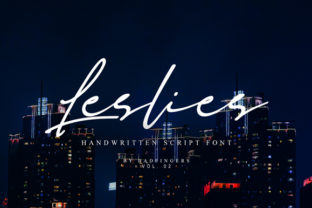
Leslies Script is a versatile and elegant handwritten font that brings a natural, organic feel to any design project. With its regular and italic weights, it offers flexibility for a wide range of applications, from logos to product packaging. Its clean lines and fluid strokes make it ideal for those seeking a personal, artistic touch without sacrificing readability.
Designed with both functionality and aesthetics in mind, Leslies Script stands out for its balance between style and usability. Unlike more ornate scripts that can be difficult to read at smaller sizes, this font maintains clarity while still offering the charm of a handwritten appearance. This makes it a go-to choice for designers who want to add a human element to their work without compromising on professionalism.
The font’s versatility allows it to adapt to various design contexts. Whether used in digital or print formats, Leslies Script enhances visual appeal while maintaining legibility. Its ability to blend seamlessly into different styles makes it a valuable asset for anyone involved in graphic design, branding, or content creation.
Applications of Leslies Script in Design Projects
One of the most common uses for Leslies Script is in logo design. Its handwritten nature adds a sense of authenticity and creativity, making it perfect for brands that want to convey a personal or artisanal identity. From small businesses to independent creators, many choose this font to give their brand a unique and memorable look.
In addition to logos, Leslies Script is widely used in printed materials such as invitations, greeting cards, and stationery. Its soft, flowing lines create an inviting and warm aesthetic that resonates with audiences looking for something more than standard typography. For example, wedding invitations often use this font to evoke a sense of elegance and personalization.
Product packaging is another area where Leslies Script shines. Whether applied to labels, tags, or promotional materials, it adds a distinctive flair that sets a product apart. This is particularly useful for niche markets such as handmade goods, boutique brands, or specialty items that rely on visual storytelling to connect with customers.
Advantages of Using Leslies Script
A key advantage of Leslies Script is its ease of use. The font is available in multiple weights, allowing designers to choose the right tone for their project. The regular weight provides a clean, readable option, while the italic version adds a touch of sophistication and movement. This flexibility ensures that the font can be adapted to different design needs without losing its core character.
Another benefit is its compatibility with various design software and platforms. Whether working in Adobe Illustrator, Photoshop, or online design tools, Leslies Script integrates smoothly into the workflow. This accessibility makes it a practical choice for both professional designers and hobbyists who may not have advanced technical skills.
Furthermore, the font’s natural appearance helps create a more relatable and approachable design. In an era where digital communication dominates, using a handwritten font like Leslies Script can help bridge the gap between technology and human connection. This is especially relevant for brands aiming to build emotional engagement with their audience.
Considerations When Using Leslies Script
While Leslies Script is highly versatile, it’s important to consider the context in which it is used. For instance, in large-scale text such as body copy, the font may not be the best choice due to its script-like structure. However, when used in headings, titles, or short phrases, it delivers a strong visual impact without sacrificing readability.
Designers should also pay attention to spacing and alignment when working with Leslies Script. Because of its flowing nature, proper kerning and tracking are essential to ensure that the text looks polished and well-structured. This is particularly important in professional settings where precision and consistency matter.
Additionally, it’s worth noting that while the font has a natural feel, it should not be overused. Incorporating it too frequently can dilute its effectiveness and make the overall design appear cluttered. Strategic placement and thoughtful application are key to maximizing its impact.
Real-World Examples of Leslies Script in Action
Many successful brands have incorporated Leslies Script into their visual identity to enhance their message and aesthetic. For example, a local coffee shop might use the font on its signage and menu to create a cozy, welcoming atmosphere. Similarly, a fashion brand could use it on clothing tags or packaging to reinforce its creative and personalized image.
Online content creators also benefit from using Leslies Script in their designs. Blog headers, social media graphics, and email newsletters often feature this font to draw attention and add a unique visual element. By doing so, they differentiate themselves from competitors and create a more engaging user experience.
Even in educational materials, Leslies Script finds its place. Teachers and educators sometimes use it in lesson plans, handouts, or presentations to make the content more visually appealing and easier to digest. This is especially effective in younger audiences who respond well to creative and expressive design elements.
Choosing the Right Weight for Your Project
Selecting the appropriate weight of Leslies Script depends on the specific needs of the project. The regular weight is ideal for situations where clarity and simplicity are priorities. It works well in headings, titles, and short text blocks where a clean and modern look is desired.
The italic weight, on the other hand, is better suited for projects that require a more dynamic or artistic feel. It adds a sense of motion and elegance, making it a popular choice for creative campaigns, artistic illustrations, or editorial layouts. When used effectively, the italic version can elevate the overall design and create a stronger visual narrative.
Experimenting with both weights can help designers find the perfect balance for their work. Testing different combinations and placements allows for a more tailored approach that aligns with the intended message and audience.