Schooler: A Playful Handwritten Font for Creative Projects
When it comes to adding a personal touch to your designs, Schooler stands out as a unique and versatile handwritten font. Its casual, almost scribbled appearance gives it a warm, approachable vibe that can bring life to any project. Whether you're designing for kids, creating a brand identity, or working on a social media campaign, Schooler offers a fresh alternative to more rigid typefaces.
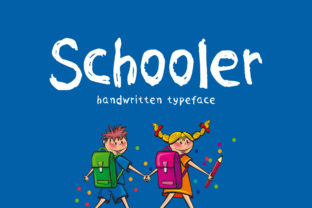
Designed with a playful spirit, Schooler mimics the natural flow of handwriting, making it feel authentic and expressive. It's not just a font—it's a style choice that can elevate your creative work with a sense of whimsy and charm. The irregularity in its strokes adds character, making each letter feel like it was written by hand rather than generated by a computer.
What Makes Schooler Unique?
Schooler’s visual characteristics are rooted in its handwritten aesthetic. Unlike traditional serif or sans serif fonts, it doesn’t follow strict geometric rules. Instead, it embraces a more organic look, with subtle variations in line weight and spacing. This makes it ideal for projects that require a personal, human touch.
The font’s personality is friendly and lighthearted, which is why it works so well for kid-related designs, such as school materials, children’s books, or educational content. But its appeal isn’t limited to children’s projects. It can also be used in branding for cafes, boutique shops, or creative studios looking to convey a cozy, approachable image.
Schooler is best described as a display font—meaning it’s designed to catch attention rather than serve as a primary body text. Its readability decreases at smaller sizes, so it’s important to use it strategically. When used in larger sizes, it can add a distinctive flair to headings, logos, or banners without overwhelming the viewer.
Where Does Schooler Shine?
Schooler excels in creative and commercial applications where a personal, artistic touch is desired. In logo design, it can help create a brand identity that feels authentic and memorable. For editorial design, it can add visual interest to titles, captions, or section headers, especially in publications targeting younger audiences or creative industries.
In packaging design, Schooler can give products a handmade or artisanal feel, appealing to consumers who value uniqueness and craftsmanship. It’s also a great choice for web design, particularly in areas where a bold, eye-catching headline is needed. Social media graphics, posters, and digital ads often benefit from its expressive style.
For print projects, Schooler can be used in invitations, greeting cards, or promotional materials. Its handwritten look can make these items feel more personal and meaningful. However, when using it in printed formats, it’s important to ensure the font is high quality and properly scaled to maintain clarity.
How Schooler Influences Design and Branding
Typography plays a crucial role in how audiences perceive a brand. Schooler’s informal style can influence brand perception by conveying a sense of creativity, fun, and approachability. It’s an excellent choice for brands that want to stand out from the competition while maintaining a friendly and relatable image.
When used consistently across marketing materials, Schooler can help build brand recognition. Its distinct look can become a signature element of a brand’s visual identity, making it easier for customers to remember and connect with the brand.
However, it’s important to balance Schooler with other fonts to maintain visual hierarchy. Pairing it with a clean, modern sans serif can create contrast and improve readability. For example, using Schooler for headlines and a neutral font for body text can make the overall design more professional and easy to read.
Practical Tips for Using Schooler
If you’re considering using Schooler in your next project, start by evaluating whether it aligns with your design goals. Ask yourself: Does this font match the tone and message of the project? Will it enhance the visual appeal without causing confusion or readability issues?
Test different font pairings to see how Schooler interacts with other typefaces. Some fonts may complement its playful nature, while others could clash. Always review the font’s available styles—some versions may include ligatures, alternate characters, or special glyphs that can add extra depth to your design.
Readability is another key consideration. Avoid using Schooler in long paragraphs or small sizes where it might become difficult to read. Instead, reserve it for short phrases, headlines, or decorative elements where its character can shine without compromising legibility.
Finally, check the licensing terms if you plan to use Schooler commercially. Ensure the font is licensed for the intended use, whether it’s for a website, product packaging, or advertising. A premium font like Schooler often comes with specific guidelines to protect both the designer and the user.
Real-World Applications of Schooler
One practical example of Schooler’s use is in a children’s book cover. The font’s playful style can instantly communicate that the book is fun and engaging for young readers. Another example is a café’s menu board, where Schooler can add a cozy, handwritten feel that enhances the overall dining experience.
For a small business owner launching a new brand, Schooler can be a powerful tool in creating a unique logo that stands out. It can also be used in social media posts to add a personal, authentic touch that resonates with followers.
Whether you’re a designer, marketer, or content creator, Schooler offers a fresh and expressive option for your design toolkit. Its versatility and charm make it a valuable addition to any creative project that benefits from a human, handwritten touch.