Narayana: A Stylish Serif Font for Modern Design
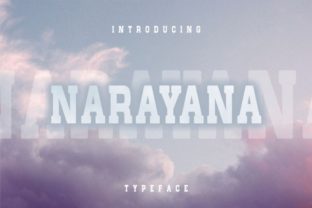
The Narayana font is a unique serif typeface that stands out for its bold, narrow, and stylish design. Designed to add a striking visual impact, it is particularly well-suited for projects where elegance and sophistication are key. Whether used in branding, editorial layouts, or digital interfaces, Narayana offers a distinctive look that can elevate the overall aesthetic of any design.
Understanding Narayana
Narayana is a serif font that combines traditional typographic elements with modern sensibilities. Its design features sharp, narrow letterforms that give it a sleek and refined appearance. The font’s bold weight adds a sense of strength and confidence, making it ideal for headings, logos, and other prominent text elements. Unlike many other serif fonts that may feel heavy or outdated, Narayana balances classic structure with contemporary flair.
One of the defining characteristics of Narayana is its attention to detail. Each character is carefully crafted to maintain consistency and readability, even at smaller sizes. This makes it versatile enough to be used in a variety of contexts, from print materials to web-based designs. However, due to its narrow proportions, it may not be the best choice for long blocks of body text, where legibility could become an issue.
Why Consider Narayana?
For designers looking for a font that commands attention, Narayana presents an appealing option. Its bold and narrow style can create a strong visual hierarchy, drawing the eye to key elements in a layout. This makes it especially useful for titles, banners, and other design components where impact is essential.
Additionally, Narayana’s stylistic appeal can help differentiate a project from others using more common fonts. In competitive design environments, such as branding or advertising, a unique font like Narayana can contribute to a memorable and cohesive visual identity. It also works well in minimalist designs, where simplicity and clarity are prioritized.
Benefits and Tradeoffs
One of the main benefits of using Narayana is its ability to add a sophisticated and modern touch to a design. Its clean lines and balanced proportions make it suitable for a wide range of applications, including corporate branding, editorial design, and digital content. Moreover, its bold weight can convey authority and professionalism, which is valuable in business-related contexts.
However, there are some tradeoffs to consider. As mentioned earlier, the narrow design of Narayana may limit its effectiveness in extended text. When used in body copy, it could reduce readability, especially for readers with visual impairments or those viewing the text on small screens. Additionally, while its uniqueness is an advantage in certain scenarios, it may not be the best choice for projects that require a more neutral or universally recognizable font.
Situations Where Narayana Excels
Narayana is particularly effective in situations where visual impact and style are priorities. For example, in logo design, its bold and narrow form can create a strong, memorable identity. It is also well-suited for headlines and display text in magazines, websites, and social media graphics, where it can add a touch of elegance without overwhelming the viewer.
In addition, Narayana can be a good fit for luxury or high-end brands that want to communicate exclusivity and refinement. Its design aligns with modern aesthetics that favor minimalism and clean typography, making it a popular choice among designers who aim to create a polished and professional look.
When Alternatives May Be Better
While Narayana has many strengths, there are scenarios where alternative fonts might be more appropriate. For instance, if the primary goal is to ensure maximum readability, a more standard serif font like Georgia or Times New Roman may be a better choice. These fonts have been widely tested and are known for their clarity, especially in long-form text.
Similarly, if a designer is aiming for a more traditional or historical look, a font with a more classic structure—such as Baskerville or Garamond—could be more suitable. These fonts often carry a sense of timelessness that may align better with specific design themes or brand identities.
Another consideration is the availability of the font. If Narayana is not widely supported across different platforms or devices, it could lead to inconsistencies in how the design appears. In such cases, opting for a more universally available font may be necessary to ensure a consistent user experience.
Decision-Making Insights
When deciding whether to use Narayana, it’s important to evaluate the specific needs of the project. Ask questions such as: What is the primary purpose of the text? Who is the target audience? How will the font be used in different formats? These considerations can help determine whether Narayana is the right choice or if another font would be more effective.
Designers should also test the font in real-world scenarios. Previewing it in different sizes, backgrounds, and contexts can reveal potential issues that may not be apparent during initial evaluation. This step is crucial in ensuring that the final design meets both aesthetic and functional goals.
Ultimately, the decision to use Narayana should be based on how well it aligns with the overall vision of the project. If the goal is to create a striking and elegant design, then Narayana can be a powerful tool. However, if clarity and broad accessibility are more important, alternatives may be worth exploring.