Buckle Up: A Unique Handwritten Serif Font for Whimsical Design
In the world of typography, the right font can make a significant difference in how a message is perceived. One such font that has been gaining attention is Buckle Up, a casual handwritten serif font known for its expressive range of thick and thin lines. This article explores what Buckle Up is, why it might appeal to designers, and how it fits into various design contexts.
What is Buckle Up?
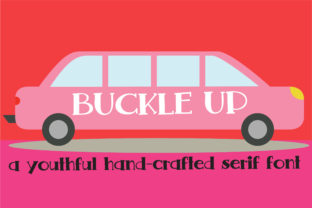
Buckle Up is a distinctive handwritten serif font that brings a sense of playfulness and warmth to any design project. Unlike traditional serif fonts, which often convey formality or structure, Buckle Up offers a more relaxed and whimsical aesthetic. Its varying line weights create visual interest, making it ideal for projects that require a personal or creative touch.
The font's design incorporates both thick and thin strokes, allowing for dynamic contrast that can draw attention or add depth to text. This variation makes Buckle Up particularly effective in headings, logos, and other design elements where visual impact is important.
Why Someone Might Be Interested in Buckle Up
Designers and creators looking for a unique, handcrafted look may find Buckle Up appealing. Its informal nature makes it suitable for branding that aims to feel approachable and authentic. Whether used in print materials, digital media, or social content, Buckle Up can help convey a sense of personality and creativity.
Additionally, the font’s versatility allows it to work well in a variety of styles. From rustic themes to modern minimalist designs, Buckle Up can adapt to different aesthetics, provided it is used thoughtfully.
Benefits of Using Buckle Up
One of the primary benefits of Buckle Up is its ability to add character to a design. The font’s irregularities and variations mimic the natural flow of handwriting, giving it a humanized feel that can resonate with audiences. This quality is especially valuable in branding or marketing materials that aim to connect on an emotional level.
Another advantage is its readability in certain contexts. While Buckle Up may not be the best choice for long blocks of text, it excels in short phrases, titles, and headlines. When used appropriately, it can enhance the visual hierarchy of a design without compromising legibility.
Considerations and Tradeoffs
Despite its charm, Buckle Up may not be suitable for every project. Its informal style could be perceived as unprofessional in certain industries, such as finance, law, or corporate communication. In these cases, a more structured font may be preferable to maintain a sense of authority and reliability.
Readability is another factor to consider. While Buckle Up works well in short bursts, its uneven strokes and stylized forms may make it difficult to read in larger sizes or when used extensively. Designers should test the font in different formats to ensure it meets their needs.
Situations Where Buckle Up Is a Strong Fit
Buckle Up shines in projects that benefit from a personalized or artistic touch. For example, it can be an excellent choice for branding a boutique, a creative studio, or a small business aiming to stand out. Its whimsical nature also makes it a good fit for children’s products, invitations, or seasonal promotions.
In digital design, Buckle Up can add a unique flair to websites, social media graphics, or app interfaces. When paired with complementary elements, it can create a cohesive and engaging visual experience that feels fresh and original.
Situations Where Alternatives May Be Better
For projects requiring a more formal or neutral tone, alternatives to Buckle Up may be more appropriate. Fonts like Georgia, Times New Roman, or Roboto offer a clean and professional appearance that can better suit corporate or academic environments.
Additionally, if a designer prioritizes consistency and precision, a sans-serif or geometric font might be a better option. These types of fonts often provide a more uniform look, which can be essential in large-scale or multi-platform projects.
Practical Decision-Making Insights
When deciding whether to use Buckle Up, consider the goals of the project and the audience it targets. If the objective is to create a warm, creative, or playful atmosphere, Buckle Up can be a strong asset. However, if clarity and professionalism are the main priorities, other fonts may be more suitable.
It’s also wise to experiment with the font in different contexts. Testing it in mockups, prototypes, or sample designs can help determine how well it performs in real-world scenarios. This process allows designers to make informed choices based on practical outcomes rather than assumptions.
Finally, understanding the limitations of Buckle Up is crucial. Recognizing when it may not be the best fit ensures that it is used effectively and appropriately, maximizing its potential while avoiding unintended consequences.
Conclusion
Buckle Up offers a distinctive and expressive approach to typography, making it a compelling choice for designers seeking a whimsical and personal aesthetic. Its thick and thin lines, combined with a casual feel, can add character and visual interest to a wide range of projects. However, its suitability depends on the specific needs and goals of each design endeavor.
By carefully evaluating the strengths and limitations of Buckle Up, designers can make informed decisions about its use. Whether it becomes a key element in a creative project or is set aside for a more formal alternative, understanding its role in the broader context of typography helps ensure that it serves its intended purpose effectively.