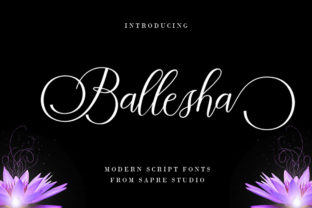
Mastering Ballesha: A Strategic Approach to Elegant Typography
In the world of design and communication, typography plays a crucial role in shaping perception, conveying tone, and reinforcing brand identity. Among the many fonts available, Ballesha stands out as a versatile and elegant script that blends classic charm with modern sophistication. Its fine lines and fluid strokes make it ideal for a wide range of applications, from branding to editorial design. However, like any powerful tool, its effectiveness depends on how it is used. Understanding when and how to apply Ballesha can lead to more intentional, impactful results.
What Is Ballesha and Why It Matters
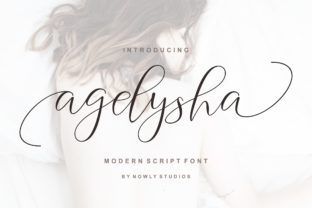
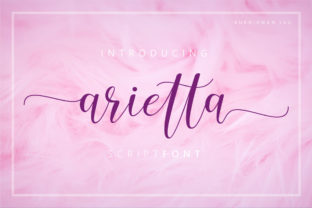
Ballesha is a script font that combines the grace of traditional calligraphy with contemporary design principles. Its delicate lines and flowing curves give it a refined appearance that can elevate any visual composition. Unlike more casual scripts, Ballesha maintains a level of professionalism that makes it suitable for both creative and corporate environments. This balance between elegance and readability is what makes it particularly valuable for professionals who want to communicate with clarity and style.
For entrepreneurs, marketers, and content creators, Ballesha offers a unique way to differentiate their work. In a saturated market where visual consistency is key, using a distinctive yet legible font can help establish a memorable brand presence. Whether it's for logos, headings, or social media graphics, Ballesha provides a fresh alternative to more common typefaces without sacrificing usability.
Strategic Use of Ballesha in Branding and Communication
When it comes to branding, every element must align with the overall identity and message of a business. Ballesha can be an effective tool in this process, especially when the goal is to project sophistication and creativity. For instance, a luxury boutique might use Ballesha in its logo to evoke a sense of timeless elegance. Similarly, a tech startup aiming to blend innovation with approachability could incorporate Ballesha into its website headers to add a human touch to otherwise digital interfaces.
However, the strategic application of Ballesha requires careful consideration. Overuse can dilute its impact, making it appear unprofessional or difficult to read. The key is to use it selectively—reserving it for high-impact areas such as headlines, titles, or key messaging elements. This approach ensures that Ballesha enhances rather than overwhelms the overall design.
When to Use Ballesha: Practical Scenarios
Ballesha is most effective in situations where visual appeal and readability are both important. Here are some practical scenarios where it can be strategically applied:
- Logos and Branding Materials: Ballesha can add a refined touch to logos, especially for businesses targeting a premium audience.
- Headlines and Titles: Using Ballesha for section headers or article titles can draw attention while maintaining a professional look.
- Social Media Content: For posts that require a creative edge, Ballesha can make text stand out without being distracting.
- Printed Materials: In brochures, business cards, or packaging, Ballesha adds a touch of class that resonates with discerning customers.
Each of these applications requires a thoughtful approach. Before choosing Ballesha, consider the context, audience, and purpose of the design. If the goal is to communicate clearly and effectively, then Ballesha should complement, not complicate, the message.
How to Approach Ballesha: Planning and Execution
Intentional use of Ballesha begins with planning. Start by defining the goals of your design project. Are you trying to create a strong first impression? Enhance brand recognition? Or simply add a unique visual element? Once these objectives are clear, you can determine whether Ballesha is the right choice.
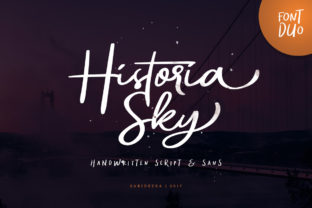
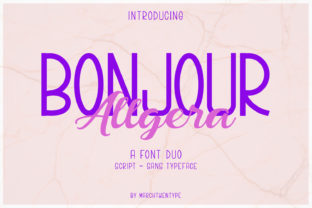
Next, consider the surrounding design elements. Ballesha works best when paired with complementary fonts and colors. For example, pairing it with a clean sans-serif font can create a balanced contrast that draws attention without causing visual clutter. Additionally, testing Ballesha in different sizes and formats (digital vs. print) can help ensure it remains legible and effective across all platforms.
Finally, review the final output with a critical eye. Ask yourself: Does Ballesha enhance the message or distract from it? Is it consistent with the overall brand identity? These questions can guide you toward a more strategic and meaningful use of the font.
Potential Risks of Unintentional Use
While Ballesha offers many benefits, it also carries risks if used without clear intent. One common mistake is overusing the font throughout a design, which can lead to a lack of hierarchy and confusion. When everything appears equally important, the message becomes diluted, and the visual appeal diminishes.
Another risk is poor legibility. Although Ballesha is designed to be readable, its fine lines and intricate details may not translate well in small sizes or low-resolution formats. This can result in text that is hard to read, undermining the effectiveness of the communication.
To avoid these pitfalls, always test Ballesha in real-world conditions. Consider how it will appear on different devices, in various lighting environments, and at different sizes. This proactive approach ensures that the font serves its intended purpose without compromising clarity or impact.
Long-Term Value of Intentional Font Choices
Typography is more than just aesthetics—it’s a component of long-term brand strategy. By using Ballesha intentionally, businesses and individuals can build a stronger, more cohesive visual identity over time. This consistency helps reinforce brand recognition and customer trust, which are essential for sustained success.
Moreover, thoughtful font choices contribute to a more efficient workflow. When designers and content creators have a clear understanding of when and how to use specific fonts, they can produce higher-quality work faster. This efficiency translates into better outcomes, whether the goal is to launch a new product, update a website, or create engaging marketing materials.
Conclusion: Ballesha as a Strategic Asset
Ballesha is more than just a beautiful font—it’s a strategic asset that can enhance communication, support branding efforts, and improve overall design quality. However, its value lies in how it is used. By approaching Ballesha with intention, clarity, and purpose, professionals can unlock its full potential and achieve more meaningful results. Whether you're building a brand, creating content, or designing for clients, understanding the strategic use of Ballesha can help you make better decisions and drive better outcomes.