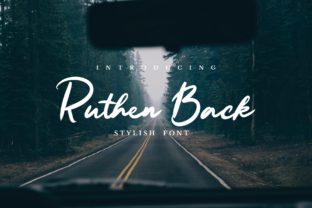
Ruthen Back: A Signature Font for Elegant Design
Ruthen Back is a distinctive font that offers a balance of elegance and personality, making it a popular choice among designers looking for a unique visual identity. Its clean lines and subtle curves give it a modern yet timeless feel, suitable for a wide range of applications. Whether used in print or digital formats, Ruthen Back adds a refined touch that can elevate the overall aesthetic of any project.
What Makes Ruthen Back Unique?
Ruthen Back stands out due to its versatility and ability to adapt to different design contexts. Unlike more rigid or overly decorative fonts, Ruthen Back maintains a sense of simplicity while still offering a strong visual presence. This makes it ideal for projects where clarity and readability are important, but a personal or artistic flair is also desired.
The font’s structure allows for both formal and casual usage, depending on how it is applied. For instance, it can be used in professional settings such as business cards or corporate reports, or in more creative environments like art installations or branding materials. This flexibility is one of its key strengths, as it can seamlessly transition between different styles without losing its core character.
Comparing Ruthen Back with Similar Fonts
When considering fonts for design work, it's common to compare options based on style, legibility, and suitability for specific tasks. Ruthen Back falls into a category of fonts that prioritize both aesthetics and functionality, which sets it apart from more ornate or highly stylized alternatives.
Fonts like Montserrat or Open Sans are often used for similar purposes, but they tend to have a more neutral appearance. Ruthen Back, on the other hand, introduces a level of individuality that can help a design stand out. While this can be an advantage, it may also require careful consideration in terms of how it complements other elements of a layout.
For users who prefer a more minimalist approach, fonts with simpler structures might be preferable. However, for those seeking a font that offers both style and practicality, Ruthen Back provides a compelling option. It strikes a balance between being noticeable and not overwhelming, which is crucial in many design scenarios.
Best Use Cases for Ruthen Back
Ruthen Back is particularly well-suited for projects that require a blend of professionalism and creativity. Greeting cards, for example, often benefit from a font that feels personal and expressive, and Ruthen Back delivers exactly that. Its elegant form can add a touch of sophistication without appearing too formal.
In the realm of publishing, Ruthen Back can be an effective choice for titles and headings in books, magazines, or newsletters. It provides a clear visual hierarchy while maintaining a cohesive look throughout the design. When used in conjunction with other typefaces, it can serve as a focal point that draws attention to key sections.
For digital applications such as website headers or social media graphics, Ruthen Back can enhance the overall user experience by offering a visually appealing yet readable option. However, it's important to test the font across different platforms and screen sizes to ensure it remains legible and effective in all contexts.
Limitations and Tradeoffs
While Ruthen Back has many strengths, it may not be the best choice for every situation. In cases where a font needs to convey a high level of authority or seriousness, such as in legal documents or financial reports, a more traditional typeface might be more appropriate. Ruthen Back’s slightly informal tone could detract from the perceived professionalism of such materials.
Another consideration is the font’s availability. Some fonts come with extensive character sets and support for multiple languages, which can be essential for international projects. Ruthen Back may not offer the same level of linguistic flexibility, so users should verify whether it meets their specific needs before committing to it.
Additionally, the font’s unique design may require adjustments in spacing or sizing to achieve optimal results. This can add time to the design process, especially for those who are less familiar with typography principles. However, for designers who are comfortable working with custom fonts, these challenges are often manageable.
When to Choose Ruthen Back
Ruthen Back is an excellent choice for designers who want to add a personal and artistic element to their work. It works well in situations where a distinct visual identity is needed, such as in branding, editorial design, or creative marketing campaigns. Its ability to blend elegance with approachability makes it a versatile tool for a variety of projects.
If the goal is to create something that feels both professional and expressive, Ruthen Back can be a valuable asset. It’s particularly useful when the design requires a balance between form and function, ensuring that the font enhances the message rather than overshadowing it.
Alternatives to Consider
For those who find that Ruthen Back doesn’t fully meet their needs, there are several alternative fonts worth exploring. Depending on the desired outcome, fonts like Playfair Display or Lato may offer similar benefits with different stylistic nuances. Each of these options has its own set of advantages, and the best choice will depend on the specific requirements of the project.
It’s also worth considering the broader context of the design. Factors such as the target audience, the medium being used, and the overall aesthetic goals can all influence the decision. By evaluating these elements alongside the font’s characteristics, designers can make a more informed choice that aligns with their objectives.
Ultimately, the selection of a font is a critical part of the design process. Ruthen Back provides a strong foundation for many applications, but it’s important to assess its fit within the larger picture of the project. With careful consideration, it can be a powerful tool for creating visually engaging and meaningful designs.