Spoiled: A Handwritten Font for Strategic Branding and Creative Expression
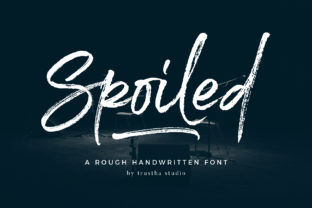
The font Spoiled offers a unique blend of raw, unpolished charm that can elevate any design project. Its rough, handwritten style brings a sense of authenticity and personality, making it ideal for brands looking to stand out in a crowded market. When used thoughtfully, Spoiled can enhance communication, support branding efforts, and add a distinctive visual identity to various media.
Understanding the strategic value of fonts like Spoiled is essential for professionals across industries. From entrepreneurs launching new ventures to marketers crafting compelling campaigns, the right typography can influence perception, engagement, and overall success. Spoiled’s natural aesthetic makes it particularly effective for projects that aim to convey creativity, individuality, or a more personal touch.
Why Spoiled Matters in Modern Design
In an era dominated by sleek, minimalist designs, the appeal of a font like Spoiled lies in its ability to break the mold. It introduces an element of unpredictability and human touch that digital fonts often lack. This quality can be especially valuable for businesses targeting niche audiences or those aiming to communicate a story rather than just a message.
For example, a small independent bookstore might use Spoiled on its signage or promotional materials to reflect the character of its space. Similarly, a boutique clothing brand could incorporate it into its logo to emphasize craftsmanship and uniqueness. In both cases, the font helps create a memorable visual identity that resonates with the target audience.
Spoiled also works well in contexts where a more casual or approachable tone is desired. It can soften the impact of bold statements or make complex information feel more accessible. This flexibility makes it a versatile tool for designers, writers, and marketers who want to balance professionalism with personality.
Strategic Use Cases for Spoiled
When considering the use of Spoiled, it’s important to align it with specific goals. For instance, if the objective is to build a strong brand identity, the font can serve as a consistent visual element across all touchpoints. This consistency helps reinforce recognition and trust among customers.
Another scenario involves content creation. Bloggers, educators, and influencers might use Spoiled to highlight key points or add visual interest to their work. However, it’s crucial to maintain readability and avoid overuse, which can dilute the intended impact.
For marketing campaigns, Spoiled can be a powerful tool for differentiation. In a world where most ads rely on standard fonts, a unique typeface can capture attention and spark curiosity. This is particularly useful for startups or emerging brands seeking to make a lasting impression.
Planning and Positioning with Spoiled
Before incorporating Spoiled into a project, it’s wise to consider the broader context. What is the primary message? Who is the target audience? How does this font align with the overall brand strategy? These questions help ensure that the choice is intentional rather than arbitrary.
One practical approach is to test Spoiled in different formats. For example, a designer might experiment with how it looks on a website, social media posts, or printed materials. This trial-and-error process can reveal strengths and limitations, allowing for more informed decisions.
Additionally, pairing Spoiled with complementary fonts can enhance its effectiveness. A clean, modern font might provide contrast and balance, while another decorative typeface could add depth and dimension. The key is to maintain harmony without overwhelming the viewer.
Considerations for Effective Implementation
While Spoiled offers creative potential, it’s not a one-size-fits-all solution. Its informal nature may not be suitable for every situation. For instance, a financial institution or legal firm might find it too casual for official communications. In such cases, the font could undermine the perceived professionalism of the brand.
Another consideration is accessibility. Users with visual impairments may struggle to read text in a highly stylized font. To address this, designers should ensure that content remains legible and that alternative formats are available when necessary.
Finally, it’s important to think about long-term implications. A font that feels fresh today may become outdated or less effective over time. Regularly reviewing and updating design elements can help maintain relevance and continue to meet evolving audience expectations.
How Spoiled Supports Decision-Making and Planning
Using Spoiled strategically can aid in decision-making by encouraging a more creative and thoughtful approach. When faced with design choices, the font can serve as a reminder to prioritize expression and innovation. This mindset can lead to more meaningful outcomes and better alignment with brand values.
For example, a marketing team planning a new campaign might use Spoiled to brainstorm ideas that feel more authentic and engaging. By experimenting with different layouts and messages, they can uncover approaches that resonate more deeply with their audience.
Spoiled also supports planning by fostering a sense of experimentation. It allows teams to explore unconventional solutions without the pressure of perfection. This freedom can lead to breakthroughs and new ways of thinking that might not emerge through traditional methods.
Risks of Using Spoiled Without Clear Goals
Without a clear purpose, the use of Spoiled can lead to confusion or miscommunication. If the font is applied randomly or without consideration for context, it may detract from the message rather than enhance it. This is especially true in professional settings where clarity and precision are paramount.
Another risk is overuse. Repeating the same font across multiple platforms or projects can reduce its impact and make the brand feel less cohesive. To avoid this, it’s important to use Spoiled selectively and with intention.
Lastly, relying on Spoiled without understanding its limitations can result in poor design choices. For instance, using it in large blocks of text may hinder readability and frustrate users. Careful planning and testing are essential to mitigate these risks.
Intentional Use of Spoiled for Long-Term Value
To maximize the benefits of Spoiled, it’s essential to approach it with a clear vision. This means defining how the font will contribute to the overall strategy and ensuring that it supports long-term goals. Whether it’s building brand equity, improving customer engagement, or enhancing user experience, the font should have a purpose.
One way to achieve this is by integrating Spoiled into a broader design system. This involves establishing guidelines for its use, including size, spacing, and color. These rules help maintain consistency and ensure that the font remains effective across different applications.
Ultimately, the value of Spoiled lies in its ability to add character and meaning to design. When used intentionally, it can strengthen a brand’s voice, connect with audiences on a deeper level, and contribute to long-term success. By focusing on strategy, planning, and thoughtful implementation, professionals can unlock the full potential of this unique font.